
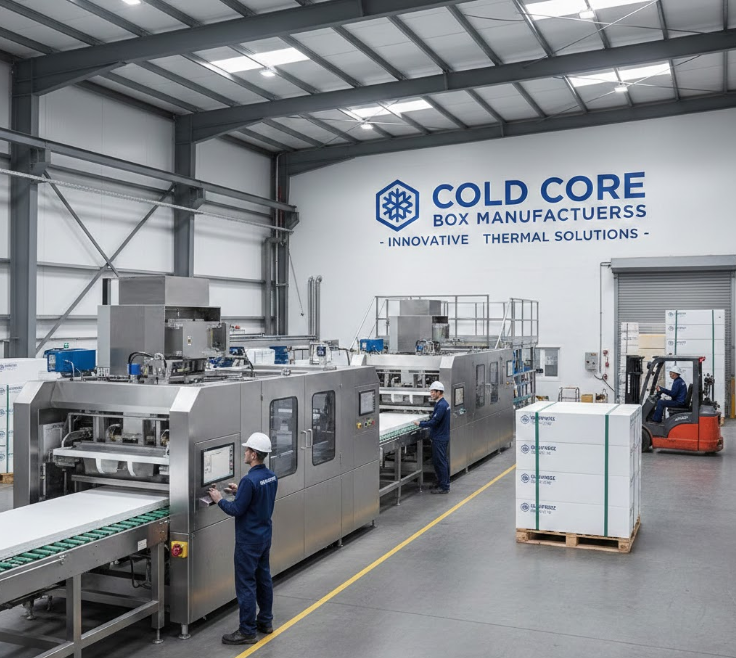
Core making technology serves as a fundamental technology for the metal casting industry operations because it determines both casting accuracy and surface finish, as well as production efficiency. The cold core box method and hot box process stand as two of the most common methods used in the industry because both methods deliver different benefits and drawbacks. The need for precision, cost efficiency,y and environmentally sustainable operations in foundries has increased the demand for cold core box manufacturers who possess specialized knowledge. The advanced tooling solutions that these manufacturers create enable foundries to produce complicated core designs at higher production speeds because their operations do not rely on heat. This study compares cold core box systems and hot box technology to show their main differences, which foundries need to understand for better decision-making.
Understanding the Cold Core Box Process
The hot box core making process uses heat to activate resin binders, which leads to fast curing. The method finds its primary application in high-volume production environments, which demand stable core production.
- Heat-cured resin bonding
- The process enables quicker curing through the application of regulated temperature conditions.
- The method works best with basic core shapes.
- The process needs both thermal energy and equipment that must be heated to function.
Role of Cold Core Box Manufacturers in Modern Foundries
The manufacturers of cold core boxes produce specialized tools that meet the specific requirements of contemporary foundries. Their specialized knowledge enables organizations to achieve both efficient operations and consistent production of advanced core designs.
- Custom core box design and manufacturing
- High-precision CNC machining
- Support for automation and mass production
- Tooling optimized for long service life
Understanding the Hot Box Core Making Process
The hot box core making process uses heat to activate the resin binders, which leads to rapid curing of the material. The process serves high-volume production needs because it delivers consistent core output to meet production requirements.
- Heat-cured resin bonding
- The process enables faster curing when temperatures stay within controlled limits.
- The process works best with basic core designs.
- The process needs both heated equipment and thermal power to function.
Key Differences Between Cold Core Box and Hot Box Technologies
Curing Method: The Cold core box technology uses chemical gas curing at room temperature. The hot box technology needs heat to make resin binders work.
Energy Consumption The Cold core box systems need less energy because they do not need any heating. The hot box processes need continuous power to operate their heated tooling.
Tooling Requirements: The cold core box manufacturers create their tooling systems without needing to handle any thermal stress. The hot box systems need their tooling to endure extreme temperatures.
Design Flexibility The ColdCore box technology enables the creation of complex core designs. The hot box system works best with basic design requirements.
Production Volume Suitability: The hot box technology works best when manufacturing extremely large quantities. The cold core box system enables manufacturers to produce different sizes of products.
Cycle Time: The hot box cores reach their curing stage faster because of heat activation. The cold core box system needs to wait for gas curing to finish its cycle.
Operational Costs The Cold core box systems require less energy, which results in lower operating expenses. The hot box systems require more money to operate their equipment.
Workplace Safety The Cold core box processes decrease heat exposure, which makes workplaces safer than hot box operations.
Environmental Impact The Cold core box technology generates fewer emissions, which enables environmentally friendly foundry operations.
Casting Quality:y The cores created by skilled cold core box manufacturers produce better dimensional accuracy and surface finish.
Tooling Design and Manufacturing Complexity
Tooling design complexity varies between cold core box and hot box systems because of their distinct temperature requirements and process needs.
- Cold core box tooling supports intricate designs.
- Hot box systems need materials that can withstand high temperatures.
- Manufacturers achieve better tooling accuracy through their cold core box production methods.
- The two systems need different maintenance approaches,s which create major differences between them.
Production Efficiency and Cycle Time Comparison
The two technologies deliver efficiency improvements, yet their operational performance depends on the specific production scale and system complexity.
- Cold core box systems support flexible batch production.
- Hot box systems provide faster product turnaround times when handling large quantities.
- Cold core box tooling system operation decreases equipment downtime.
- The two systems both support automation integration capabilities
Cost Analysis: Cold Core Box vs. Hot Box
The total cost assessment includes three elements, which are tooling expenses, energy consumption, and future operational costs.
- The operational expenses of cold core box systems require fewer financial resources.
- The hot box system needs more electrical power than other systems.
- The expense of tooling equipment depends on the difficulty level of the project requirements.
- The manufacturing process of cold core box systems provides manufacturers with sustainable cost savings throughout their production period.
Environmental and Workplace Safety Considerations
Foundries today base their operational choices on two main factors, which include environmental effects and worker protection standards.
- The cold core box process emits less heat than other methods.
- The system produces fewer energy emissions when compared to hot box systems.
- The office space now provides better conditions for employees.
- The organization follows all requirements established by environmental protection laws.
Quality, Accuracy, and Surface Finish of Cores
The main quality of a product affects both its ability to be cast and its rate of production errors.
- The cold core box system provides better measurement accuracy than other methods.
- Precision tools deliver an unchanging level of surface texture throughout their entire operational life.
- The process results in fewer casting defects that appear in the completed product.
- The cold core box system delivers dependable operation because its makers have extensive experience in the field.
Flexibility and Customization in Core Production
Cold core box technology provides casting process flexibility because it can adapt to different casting requirements and handle complex design requirements.
- The system provides support for advanced core designs that require detailed and specific core patterns.
- The system allows design changes to be implemented through simple design updates.
- The system works effectively with both small production runs and multiple production needs.
- Experienced cold core box manufacturers select this system as their primary solution for creating custom core designs.
Choosing the Right Technology for Your Foundry
The choice between cold core box technology and hot box technology requires assessment of both operational objectives and manufacturing requirements.
- The assessment requires evaluation of both casting complexity and casting volume.
- The assessment requires evaluation of both energy needs and cost requirements.
- The evaluation needs to determine how well the system handles different production requirements throughout its entire lifespan.
- You should reach out to industrial professionals who specialize in cold core box systems for guidance.
Future Trends in Core Box Manufacturing
The core box manufacturing industry undergoes transformation through ongoing technological progress.
- The automation system operates all functions of the cold core box system.
- The binder technologies achieve sustainable results while producing low emissions.
- The digital design system, with its simulation tools, enables users to create their designs.
- The advanced cold core box manufacturers drive their operations through innovative research and development.
Conclusion
The process of selecting either cold core box technology or hot box technology needs a thorough assessment of their operational effectiveness, their expenses, and their manufacturing difficulties. As the need for accurate results and environmentally friendly solutions increases, cold core box manufacturers are now leading the development of new technologies for current foundry operations. Cold core box manufacture has become the ideal solution for future casting operations because they provide flexible, energy-efficient systems that deliver precise results.
FAQs
Which products do cold core box manufacturers create?
Cold core box manufacturers create precision tools that serve the cold-curing core production process used by modern foundries.
Which system requires less energy: cold core box or hot box?
Cold core box systems require less energy because they use no heat for curing, while hot box systems require heat for their curing process.
Are cold core box systems suitable for complex castings?
The high design flexibility offered by cold core box manufacturers enables their products to create intricate core shapes that require specialized design.
What are the main limitations of hot box core making?
The hot box system needs more energy to operate, takes longer to reach operational temperature, and restricts design options for creating detailed shapes.
How do I choose between cold core box and hot box technology?
The choice depends on production volume, casting complexity, energy costs, environmental regulations, and long-term working goals.